
North Hokkaido (Dohoku) is a region of vast nature and dazzling sights located in the northern reaches of Hokkaido. The region bears many different faces: the rolling hills of Furano and Biei, the intersection of nature and urban life in Asahikawa, the coastal majesty of Rumoi along the Sea of Japan, and of course, Soya, where one can really feel the grand scale of the north. With distinctly divided seasons accompanied by fresh, new sights and atmospheres, North Hokkaido is home to a magic entirely its own.
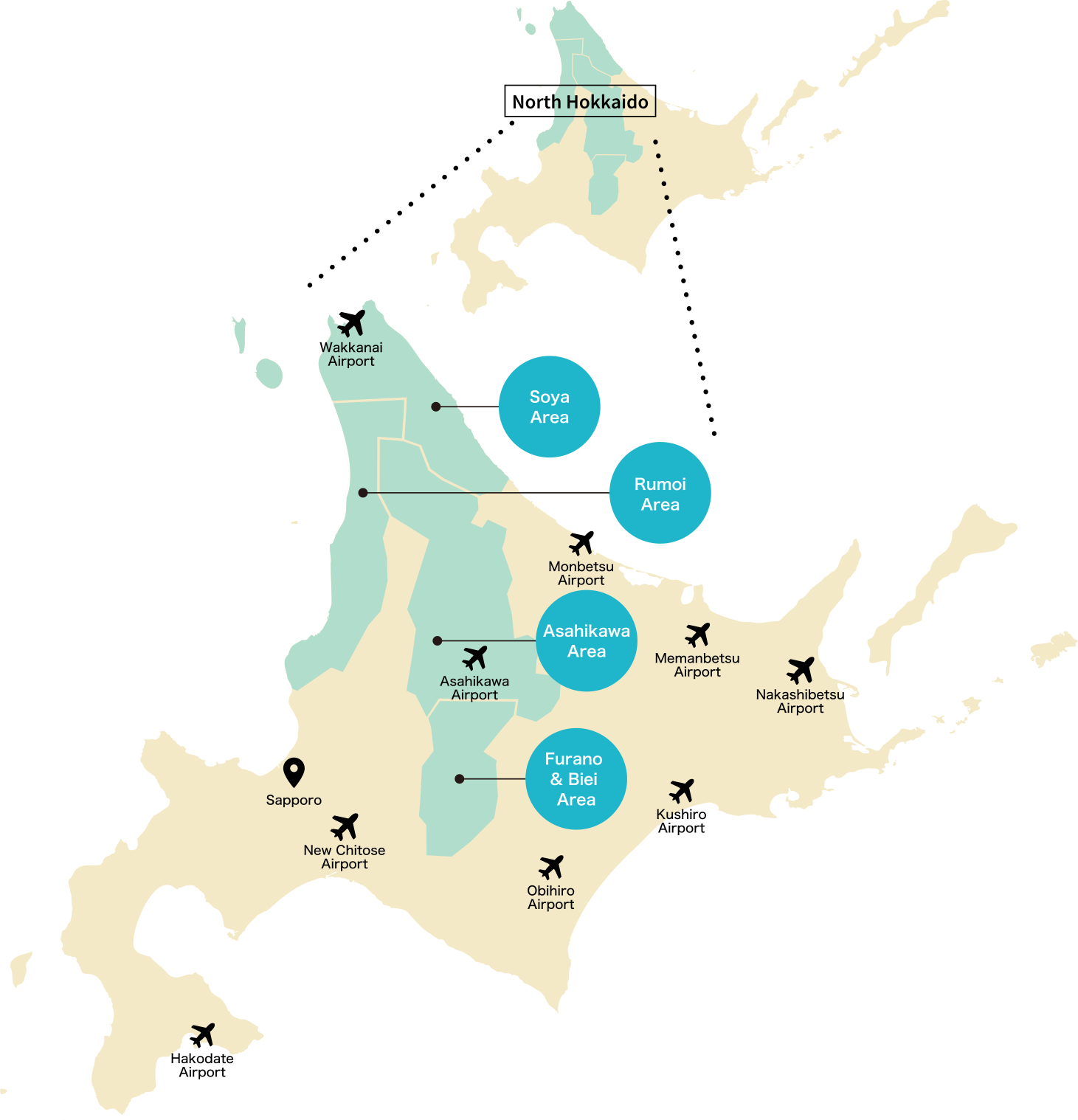
Area Introduction
Furano & Biei
Area
Asahikawa
Area
Rumoi
Area
Soya
Area
The Furano & Biei Area is a stunning example of the rolling hills and colorful scenery charactersitic to Hokkaido. As one basks within the area's flower fields, quiet nature, and crisp, refreshing air, time seems to slow, and the mind is freed from everyday worries. Savor nature's color and scale on a trip to the Furano & Biei Area!
Farm Tomita
Farm Tomita
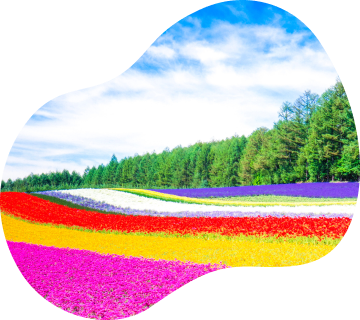
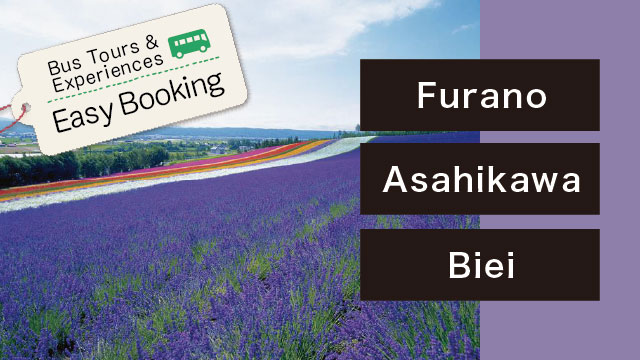
A Furano hit, Farm Tomita is famous for the seasonal flower fields that completely envelop the area. The lavender that blooms from early to midsummer is a particular treat, appearing like a vast, purple carpet rising and falling in tune with the surrounding hills as far as the eye can see. There are many ways to enjoy the park, be it at one of the observation points from which you can take in the flower fields and Furano's mountains, or at one of the many spots where you can snap pictures of the flowers up close. The farm's lavender-flavored soft serve and original souvenirs are also popular with guests. Immerse yourself in a world of enchanting fragrance and color at Farm Tomita!
Lavender Garden
Lavender Garden
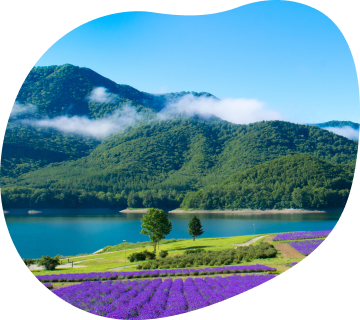
Lavender Garden in Nakafurano offers the kind of spectacle you can only find in the region's vast hills. Visible from the observation deck, a stunning sea of lavender purple rolls out into the distance, where it meets the grand nature of the Furano Basin and the Tokachi Mountain Range. As you walk along the paths that run through the the flower fields, the wind shakes forth the soothing scent of lavender to quiet the soul. At the peak of the flower season, limited time events and sightseeing trains excite the region. As if lavender weren't enough, each season brings its own unique accompaniment of flowers. With photo spots galore, Lavender Garden is an essential destination on any summer Furano itinerary.
Blue Pond
Blue Pond
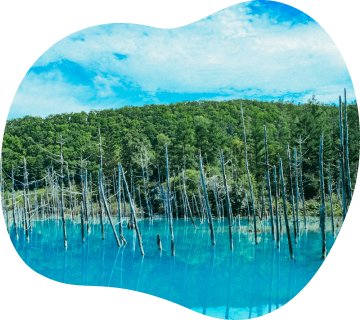
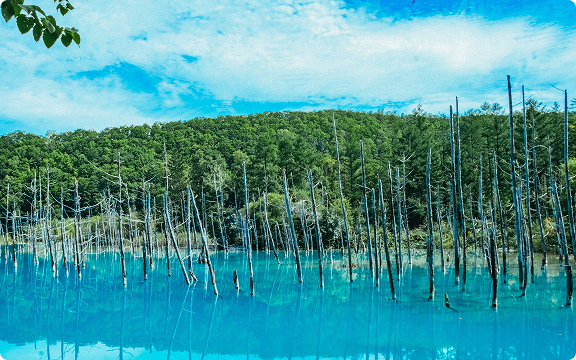
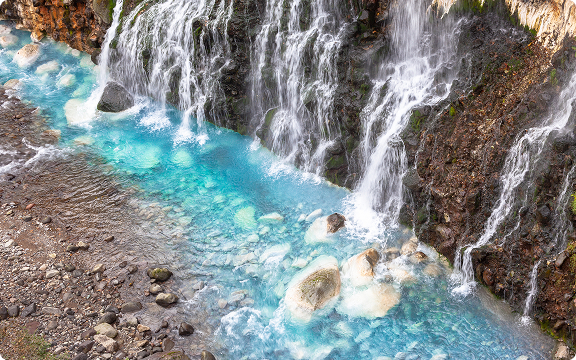
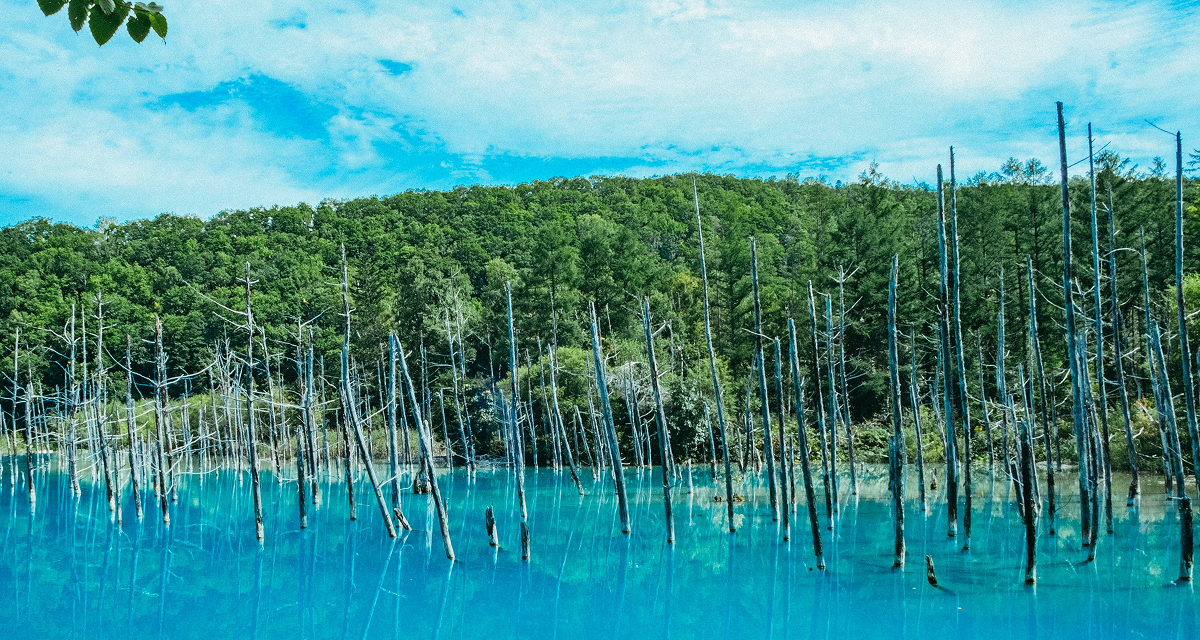
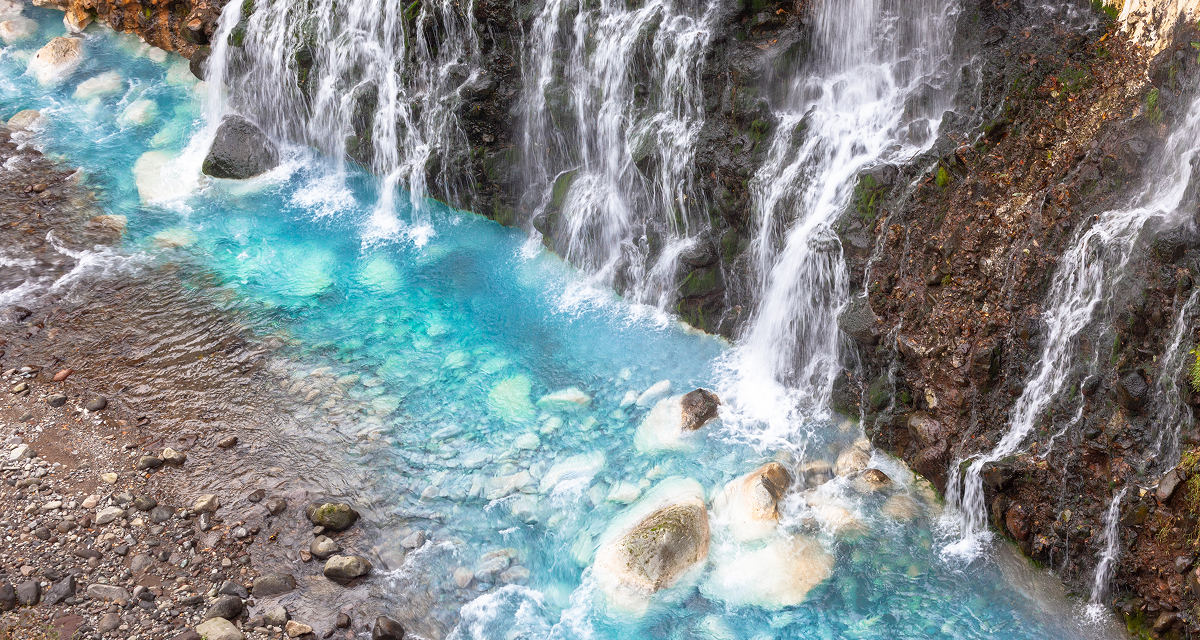
A symbol of Biei's natural beauty adored by the locals, Blue Pond is famous for the subtle, mystical changes in color that its cobalt blue water effects in response to changes in season and light. Japanese larches rise up from the waters, enchanting photographers and travelers alike with their distinct beauty. In the early morning and on clear days, the pond water transforms into a stark blue mirror that reflects the surrounding scenery. It likewise changes faces with the seasons, shifting from a bright, crisp blue in summer to a pale blue floating amidst white snow in winter, among other variations. No two visits are the same.
Shikisai no Oka Flower Garden
Shikisai no Oka
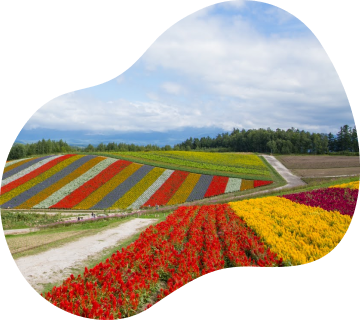
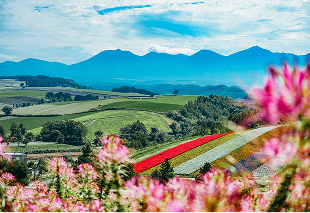
Shikisai no Oka is beloved for the colorful scenery woven by its seasonal flowers. The flower fields run along the hillside like patchwork, changing character with angle and season alike. Walking paths within the garden allow guests to experience the flowers up close, whereas observation points enable wider views of the garden and the mighty Tokachi Mountain Range. The mood of the garden shifts from season to season, full of vibrant flowers in the summer before calming in the fall with reserved hillside scenery. Shikisai no Oka is a must, whether you're looking to take pictures or just go for a nice stroll.
The Asahikawa area is a key inland hub of Hokkaido where urban convenience and magnificent nature exist in close harmony. While you can enjoy the lively atmosphere of the city, dramatic gorges and mountain landscapes unfold just beyond the urban center, allowing you to experience the grandeur of nature up close. The coexistence of diverse scenery and countless opportunities for enjoyment is what makes this area truly unique.
Sounkyo Gorge
Sounkyo Gorge
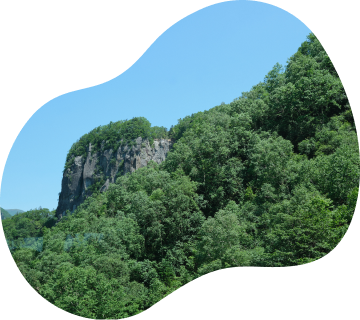
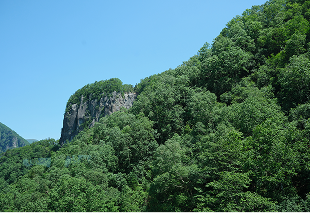
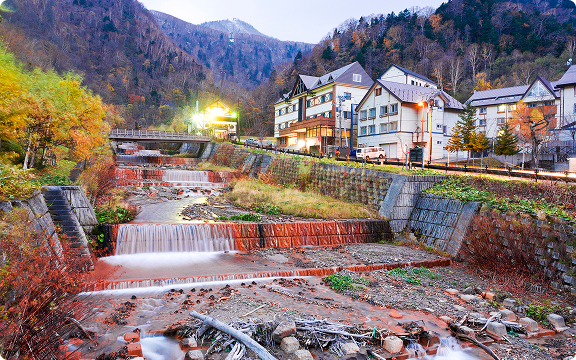
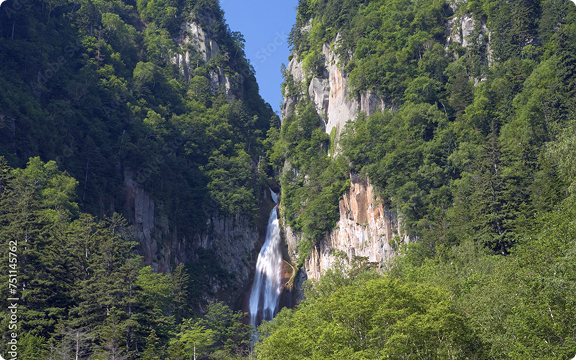
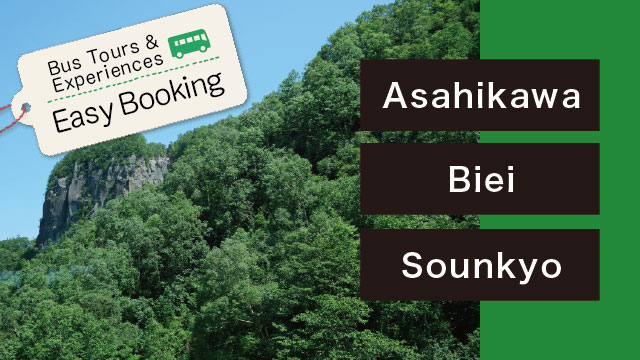
Sounkyo Gorge, located at the gateway to Daisetsuzan National Park, is a spectacular scenic area famed for its dramatic gorge stretching approximately 24 kilometers, lined with towering cliffs of columnar joints. Each season brings its own character: fresh greenery in spring, brilliant autumn foliage, and a frozen wonderland in winter highlighted by the renowned Ice Waterfall Festival. Well-maintained walking trails run along the gorge, allowing visitors to explore waterfalls and scenic viewpoints while immersing themselves in the surrounding nature. Sounkyo is also a popular hot spring resort, offering open-air soaks overlooking the gorge. Whether you’re drawn to the raw dynamism of nature or prefer a leisurely walk amidst ever-changing scenery, Sounkyo Gorge offers a style of travel to suit every visitor.
Asahiyama Zoo
Asahiyama Zoo
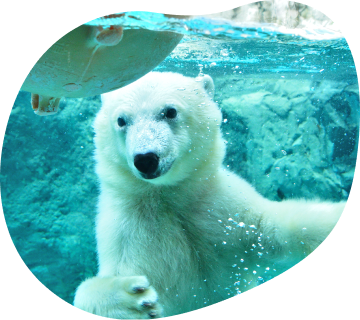
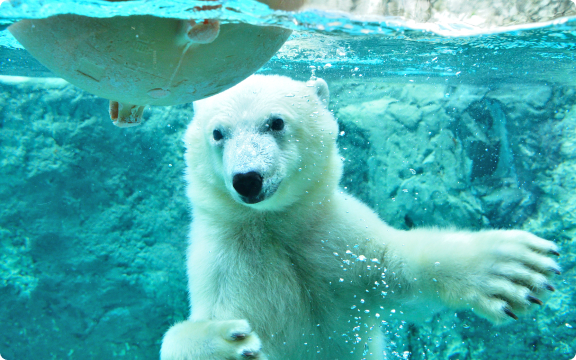
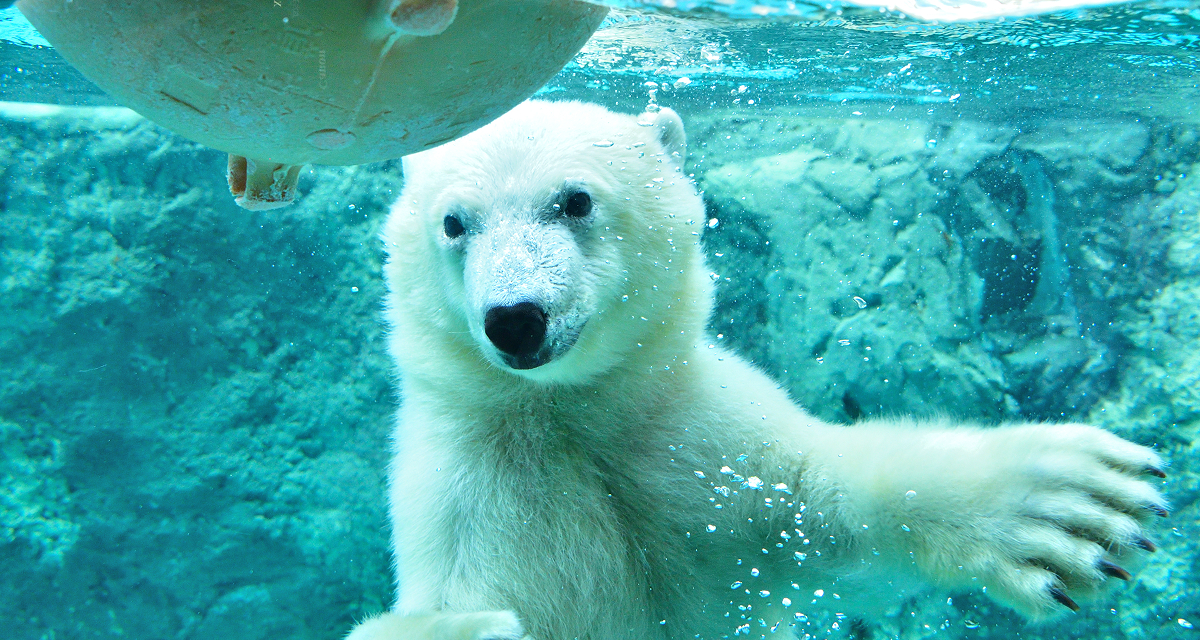
Asahiyama Zoo is a distinctly hands-on option beloved for its innovative behavior-based exhibits, which allow visitors to observe animals' natural behavior up close. Highlights include the famous penguin walk, polar bears launching their massive bodies through the water, and seals gliding through a glass tunnel. All are unique scenes that can only be experienced here, delighting visitors of all ages. The zoo also offers a variety of seasonal programs and winter-only events, allowing visitors to watch animals in near-natural states throughout the year. With exceptionally close viewing and an abundance of attractions, Asahiyama Zoo is packed with so much to see that a single day hardly feels like enough.
Ueno Farm
Ueno Farm
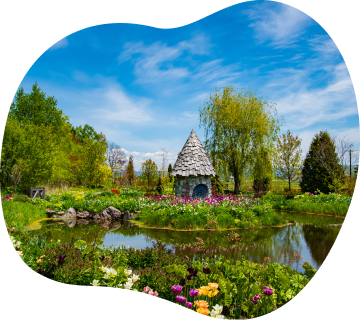
A local favorite, Ueno Farm is a seasonal garden in the English tradition. More importanly, it distills Hokkaido’s diverse climate and natural environment into a wonderland of beautiful flowers that bloom in abundance throughout the year. Each area has its own theme, utilizing a harmonious mix of vibrant plantlife, winding paths, and inspired buildings to create scenery that feels straight out of a storybook. As the flowers change with the seasons, no two visits are the same. Boasting a cafe and shop in addition to its enchanting gardens, Ueno Farm is adored by travelers for its calming atmosphere.
Dwelling Place of Kamuy
Kamui Kotan
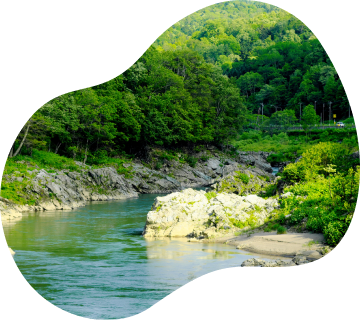
Natural beauty and traces of history intersect at Kamui Kotan, where distinctive rock formations and steep cliffs line the flow of the Ishikari River. The quiet strength of the earth can be felt within the sprawling depths of Kamui Kotan's gorge, rich with plantlife and rocks made all the more beautiful by erosion. Walking paths and bridges abound in the surrounding area, allowing visitors to enjoy the river’s flow and everchanging scenery at their own pace. Kamui Kotan is also known for the legends of the indigenous Ainu, exciting the mind with tales that have weathered time in step with the area's rich nature.
The Rumoi Area extends across the expansive Sea of Japan coast with cozy townscapes that reflect a history shaped by life with the ocean. In Rumoi, sky and sea meet without interruption, and the calm hum of everyday life endures, creating a space of utter calm rife with opportunities for slow, quiet reflection. For guests who want to take their time relaxing by the sea, look no further than Rumoi.
Golden Cape
Cape Ogon
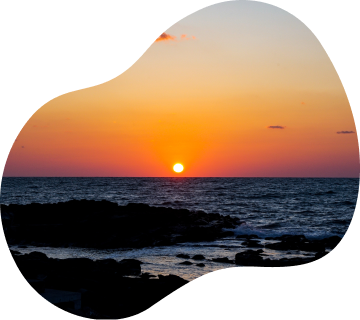
Cape Ogon, one of the scenic hightlights of the Rumoi coastline, is famed for its beautiful sunsets over the Sea of Japan. From the cape, the horizon stretches on without end, and as dusk falls, the sky and sea slowly meld into a world of gold. This shifting scenery is best enjoyed as a quiet farewell to a long journey. Well-maintained walking paths allow visitors to take in the sight while basking in the seabreeze.
Teuri Island / Yagishiri Island
Teuri Island & Yagishiri Island
Floating in the Sea of Japan off the coast of northern Hokkaido, Teuri Island and Yagishiri Island are two of the most beautiful remote islands in the Northern Hokkaido region.
Teuri Island is internationally renowned as an important breeding ground for seabirds. Visitors can enjoy dramatic coastal cliffs, rugged seascapes, and the rare opportunity to observe a wide variety of seabirds up close.
In contrast, Yagishiri Island offers a peaceful atmosphere surrounded by lush greenery. Its pristine forests, seasonal wildflowers, and picturesque pastures create a relaxing escape into nature.
With their distinctly different charms, these two islands offer visitors an unforgettable experience filled with tranquility and breathtaking natural beauty.
Former Hanada Family Banya
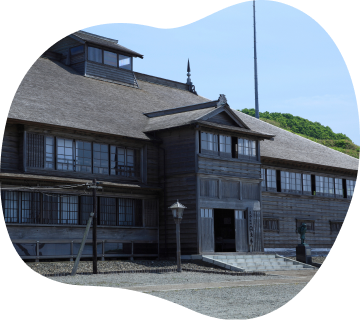
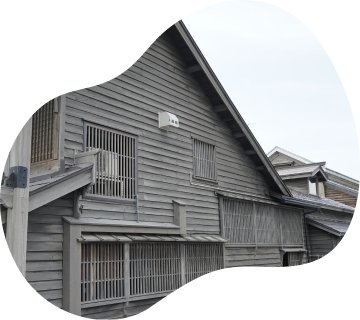
The Former Handa Family Banya is a well-preserved remnant of Rumoi's prosperous past as a hub for herring fishing. Inside the spacious halls, traces of daily life and livelihoods remain, conveying with gravity the tales of lives lived in tune with the sea. The building provides rich insight into the region's fishing culture, accessible to both those who want to learn of this history or simply steep for a moment in the distinct atmosphere of a faded era.
Kunimare Sake Brewery Co., Ltd.
Kunimare Sake Brewery
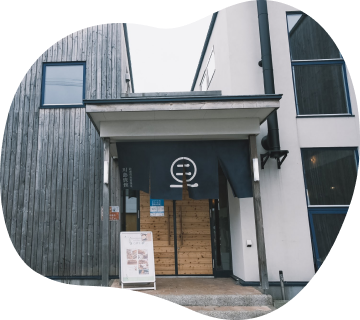
The storied Kunimare Sake Brewery made its name crafting sake in harmony with the natural environment of the Sea of Japan coast. The brewery's rustic architecture speaks to the long history of its tried and true production methods, instantly and easily communicating the region's culture to guests from the second they step inside. Of course, guests receive more opportunities to learn about sake production, knowledge heightens one's appreciation of the brewery's deeply local flavors. That distinct Rumoi calmness can be felt even here.
The Soya Area is the northernmost point in Japan, where the vastness of earth and sea collide. The landscape sprawls out with nothing to impede it, a realm of boundless space and silence. Whether you're looking to escape from the hustle of daily life and relax in peace, or bask in the grandeur of nature, Soya has something in store for any kind of traveler.
Cape Soya
Cape Soya
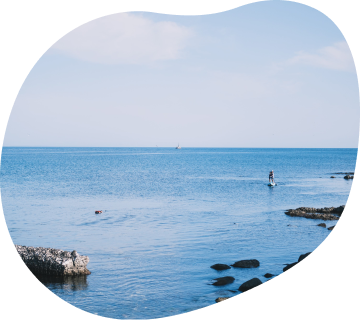
Cape Soya, located at the northernmost point of Japan, offers expansive views of the Sea of Okhotsk. The white triangular monument standing at the cape, a symbol of the region, is a popular spot for commemorative photos. On clear days, Sakhalin is said to be visible in the distance, a spectacle so vast one almost forgets what country they're in. Walking around the cape while basking in the sea breeze is one of the best ways to experience the beauty of the far north, be it the changing expressions of the ocean or the wide expanses of grassland.
Esanuka Line
Esanuka Line
The Esanuka Line cuts straight through the Soya Hills, offering a driving experience one can only get in the expanses of northernmost Hokkaido. Beyond the gentle rises of the road, open views unfold where sky and land melt together, instilling in one the real joy of adventure. The scenery changes with the weather and time of day, with clear days revealing endless expanses, while oon foggy days, the surroundings are draped in mystery. The Esanuka Line is one place where the scale and character of Soya can be fully felt.
Toyotomi Onsen
Toyotomi Onsen
Toyotomi Onsen, said to be one of Japan’s northernmost hot spring areas, is a soothing retreat surrounded by quiet nature. Its distinctive mineral-rich waters warm the body to the core and gently ease the fatigue of travel. While far from flashy, its charming simplicity is precisely its appeal, offering a sense of balance and renewal for both body and mind. Relax in peace while admiring Soya's nature at Toyotomi Onsen.
Rishiri Island / Rebun Island
Rishiri Island & Rebun Island
Rishiri Island and Rebun Island, located at the northernmost edge of Hokkaido, are two of Northern Hokkaido’s most iconic remote islands, offering breathtaking scenery and rich natural culture.
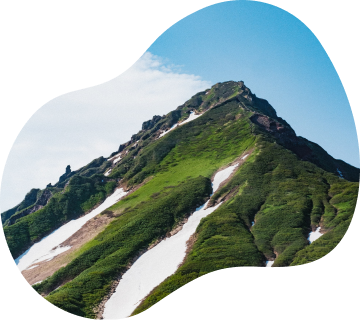
Rishiri Island is dominated by the cone-shaped Mt. Rishiri, often called “Rishiri Fuji.” The island is popular for mountain climbing and trekking, and is also known for fresh seafood such as sea urchin and kelp nurtured by its clear surrounding waters.
In contrast, Rebun Island is known as the “Floating Island of Flowers.” Despite its relatively low elevation, the island features rare landscapes where alpine plants bloom beautifully. With sea and mountains, flowers and local flavors, these two distinct islands leave visitors with a lasting impression of Hokkaido’s grandeur and depth.
North Hokkaido Travel Features
Features to help you get the most out of your North Hokkaido journey.
Get an inside look at the region's rich culture, vast nature, and warm people.
Featured Tours & Tickets
Discover the most popular bus tickets and travel experiences in Northern Hokkaido.(Click on a product to visit its purchase page.)
Recommended Model Courses
Explore recommended travel itineraries curated by Discover Kita Hokkaido.
Each itinerary also includes transportation options to major attractions. For routes with online tickets available, we recommend purchasing your tickets in advance for a smoother and more convenient journey. Click the Purchase button in the itinerary overview to visit the corresponding product page.
A
Northern Hokkaido Tour (Standard Course)
5 nights, 6 days
New Chitose Airport or Asahikawa Airport
Course Summary
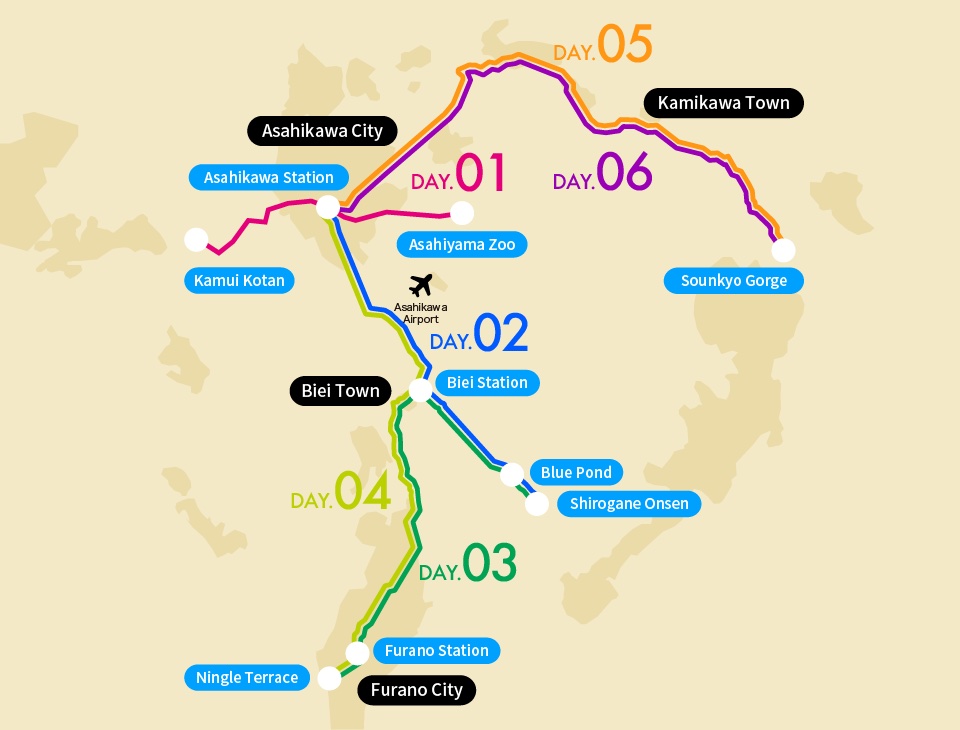
Recommended for travelers who want to enjoy a healthy balance of all that North Hokkaido has to offer. Starting from Asahikawa, this itinerary offers a wide range of Hokkaido’s highlights, including scenic natural landscapes, hot springs, and pleasant townscapes. You can comfortably visit each area, with a relaxed schedule ideal for even first-time visitors. The journey begins at either New Chitose Airport or Asahikawa Airport and circuits through the must-see spots of North Hokkaido.
Itinerary Summary
DAY1
Arrive at Asahikawa Station around 1:00 p.m.
Spend the entire afternoon at Asahiyama Zoo or Kamui Kotan
Overnight stay in Asahikawa
DAY2
Around 1:00 PM – Arrive at Asahikawa Station
Take the JR Furano Line to Biei
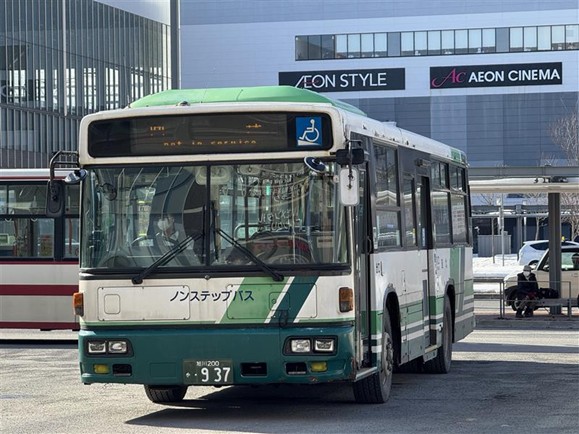
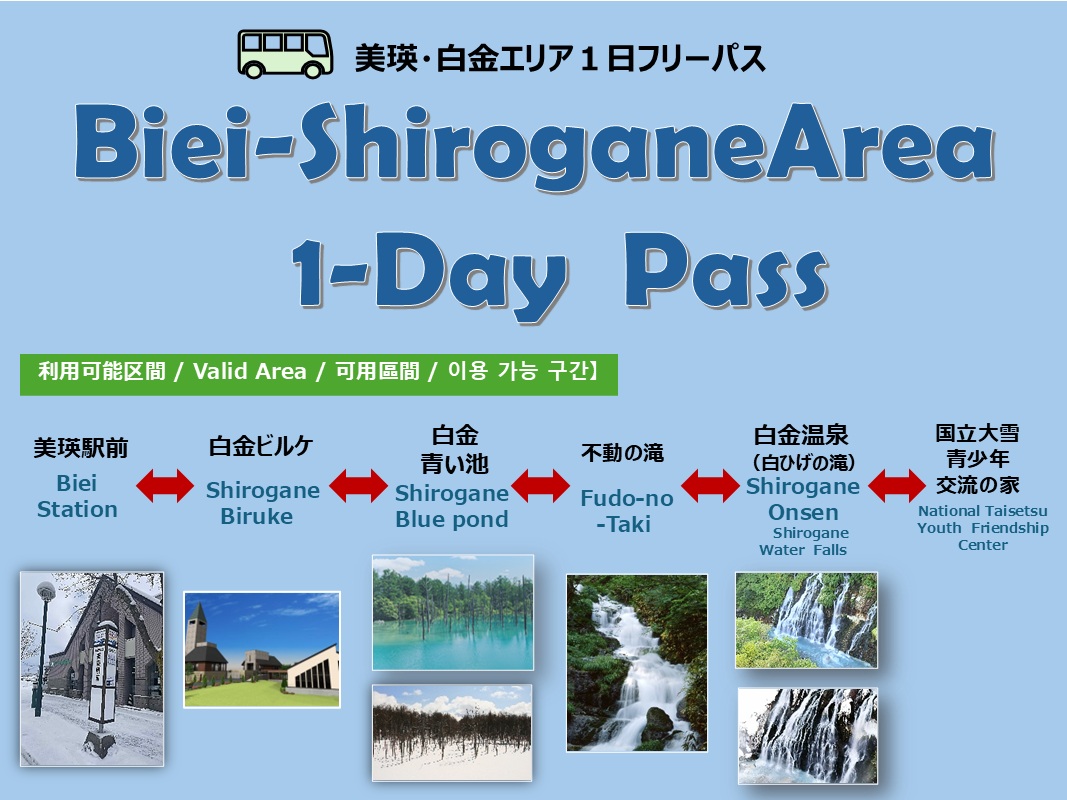
Take the Dohoku Bus to the Blue Pond
Unlimited 1-Day Pass available for travel between Biei Station and Shirogane Onsen!
Take the Dohoku Bus to Shirogane Onsen
Stay overnight at Shirogane Onsen
DAY3
Start from Shirogane Onsen around 10:00 a.m.
Travel to Biei Station via Dohoku Bus
Explore the town of Bieii
Travel to Furano via JR Furano Line
Explore Furano
Travel to Ningle Terrace via bus
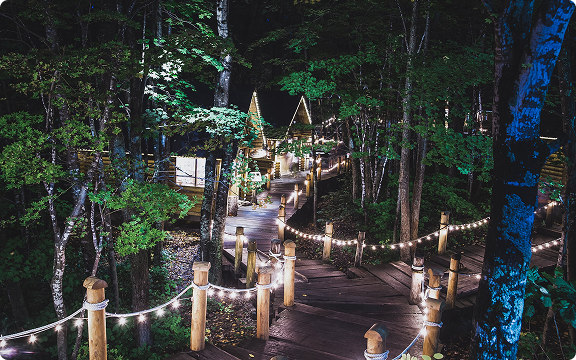
Visit Ningle Terrace
Overnight stay in Furano
DAY4
Start from Shin Furano Prince Hotel around 10:00 a.m.
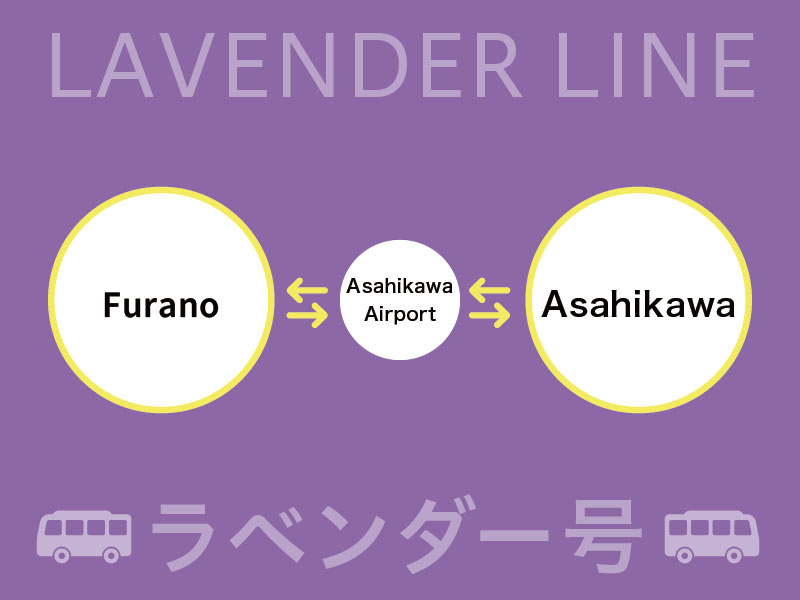
Travel via Furano Bus Lavender
Arrive at Asahikawa Station around 12:00 p.m.
Overnight stay in Asahikawa
DAY5
Start at Asahikawa Station around 2:00 p.m.
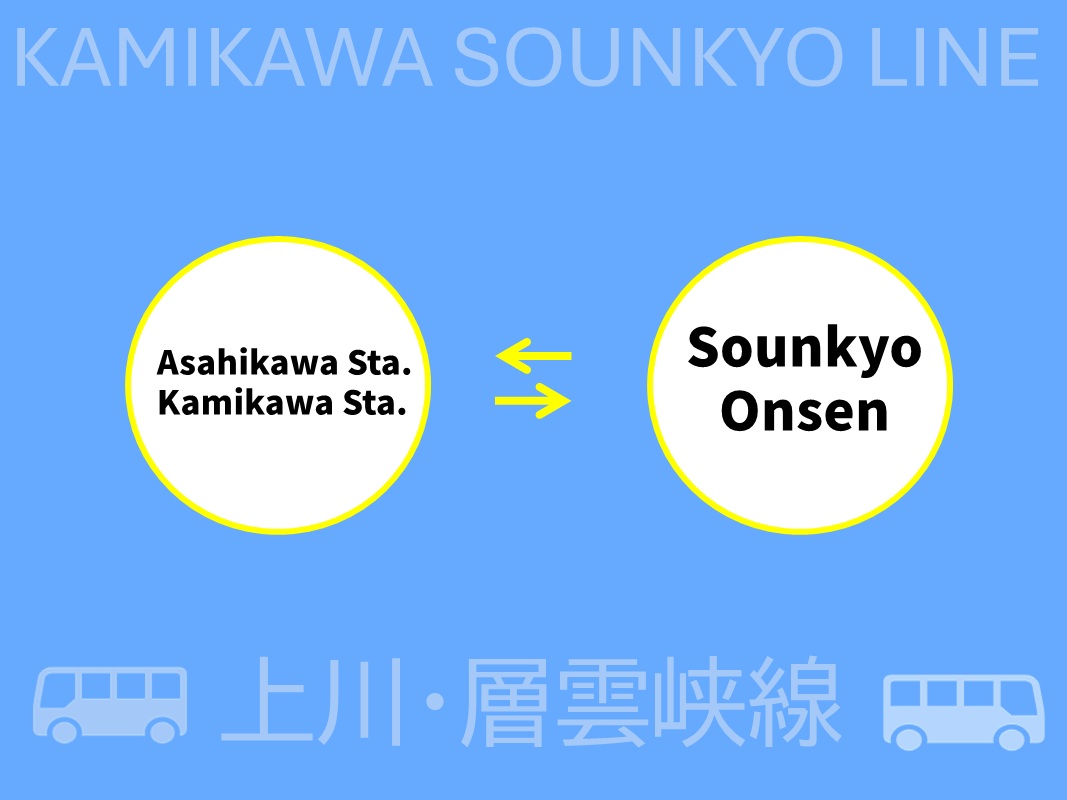
Travel to Sounkyo Gorge via Dohoku Bus
Overnight stay at Sounkyo Gorge Onsen
DAY6
Depart from Sounkyo Gorge around 10:00 a.m.
Travel to Asahikawa via Dohoku Bus
Arrive at Asahikawa Station around 12:00 p.m.
B
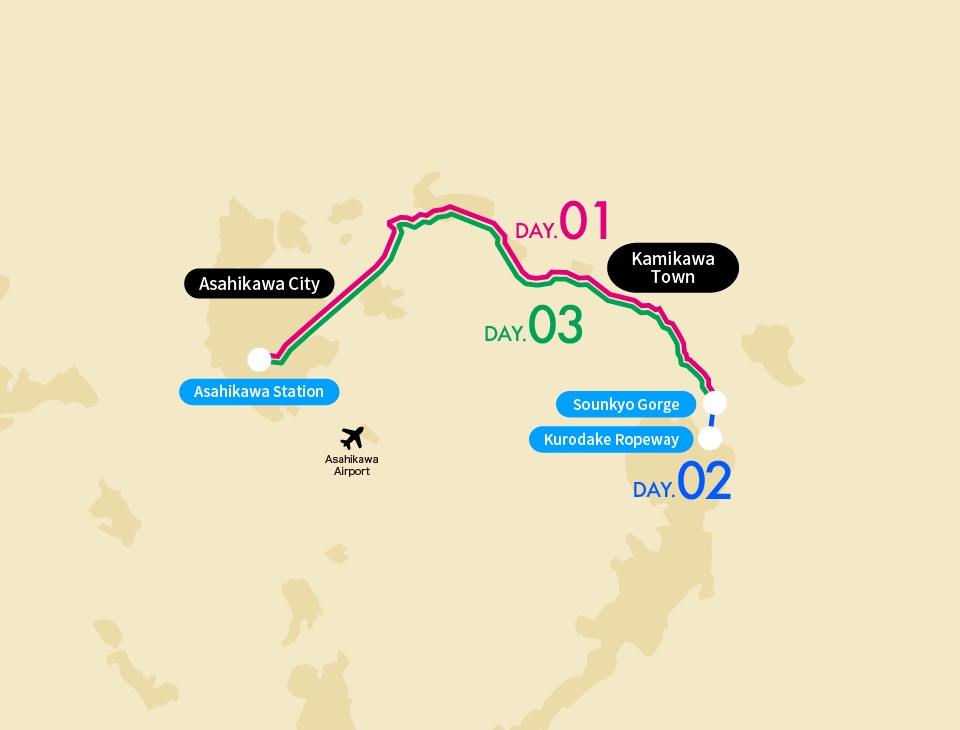
Northern Hokkaido Tour(Sounkyo Nature Experience Course)
2 nights, 3 days
New Chitose Airport or Asahikawa Airport New Chitose Airport or Asahikawa Airport
Course Summary
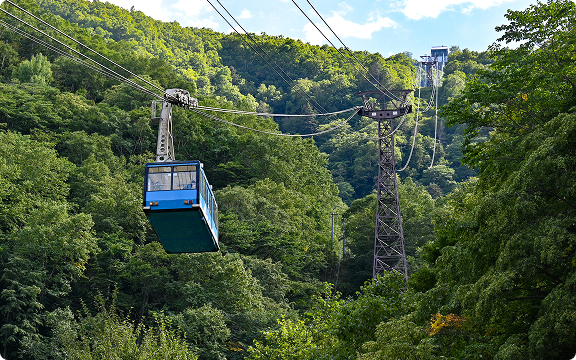
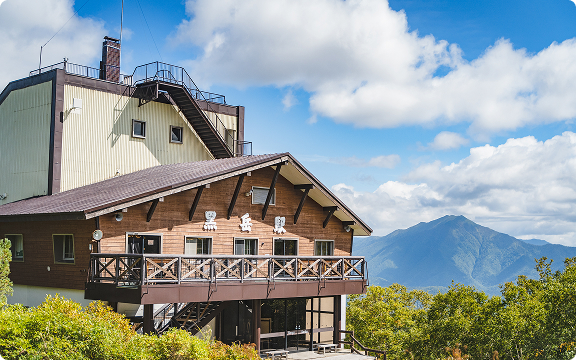
Recommended for travelers who want to fully immerse themselves in grand nature, this itinerary based around Sounkyo Gorge offers the chance to enjoy not only dramatic gorges and mountains but also a relaxing hot spring stay. By using the ropeway, you can experience sweeping vists without breaking a sweat. Despite its short length, the journey allows travelers to really experience the impressive scale of nature that defines North Hokkaido.
Itinerary Summary
DAY1
Arrive at Asahikawa Station around 2:00 p.m.
Travel to Sounkyo Gorge via Dohoku Bus
Overnight stay at Sounkyo Gorge Onsen
DAY2
Enjoy Sounkyo Gorge for the day
Kurodake Ropeway
Sounkyo Gorge Walking Trail
Overnight stay at Sounkyo Gorge Onsen
DAY3
Start from Sounkyo Gorge around 10:00 a.m.
Travel to Asahikawa via Dohoku Bus
Arrive at Asahikawa Station around 12:00 p.m.